
What Does it All Mean?
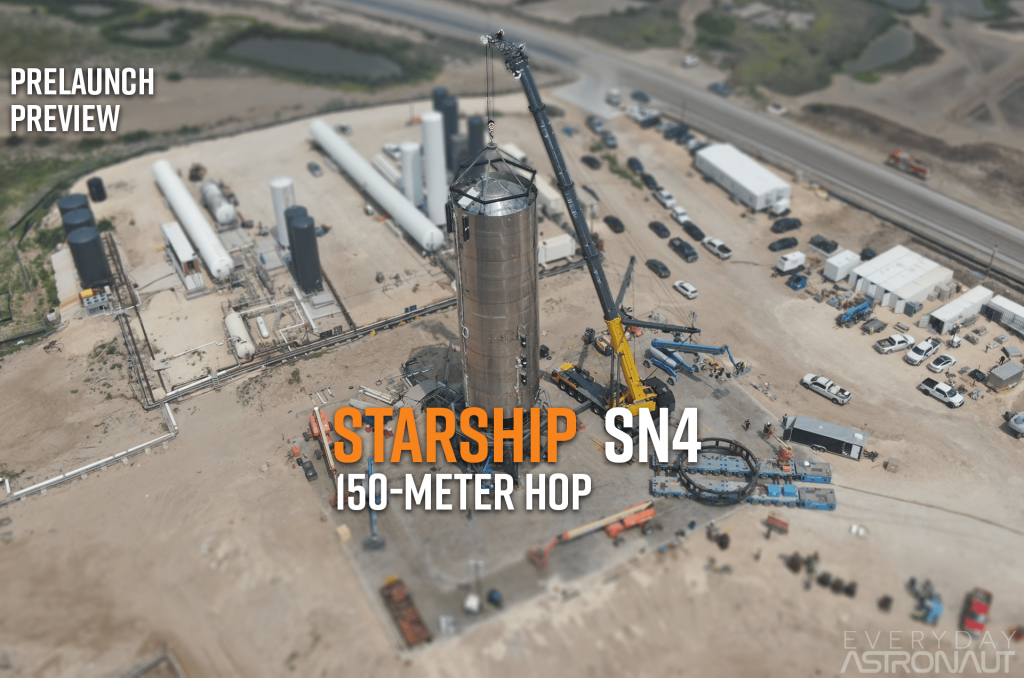
Starship, SpaceX’s answer to the “How do we get to Mars?” question will take to the skies for the first time … EVER! Or, originally, that was the plan. The SN-4 prototype will get that glory in May 2020. During a test flight, at their south Texas facility, SN-4 will fly 150 meters into the air and then land. If successful, it will pave the way for subsequent Starships to perform even more complex tests. The story of how SpaceX got to this point is explained in the article below.
Lift Off Time(Subject to change) |
First static fire test May 5, 2020. Last test May 29, 2020. |
|---|---|
Mission Name and what it is |
Starship Serial Number 4 (SN-4) 150 meter hop |
Launch Provider(What rocket company is launching it?) |
SpaceX |
Customer(Who’s paying for this?) |
SpaceX |
Rocket |
Starship |
Launch Location |
Boca Chica, Texas |
Payload mass |
No payload |
Where are the satellites going? |
There are no satellites. The rocket is going to an altitude of 150 meters |
Will they be attempting to recover the first stage? |
Yes |
Where will the first stage land? |
The only stage (Starship) will land in Boca Chica near the launch pad |
Will they be attempting to recover the fairings? |
SN-4 doesn’t have fairings |
Are these fairings new? |
No fairings on this vehicle |
This will be the: |
First test flight of Starship |
Where to watch |
Official Livestream from SpaceX
Maybe even more fun you can watch with Tim Dodd, the Everyday Astronaut, starting at T- minus 30! Ask questions and join the conversation live! |
What is Starship?
Starship is SpaceX’s next-generation reusable Mars rocket. To not be confusing, SpaceX calls the entire system Starship. But that is also the name used for the upper stage too! They call the booster stage Super Heavy. Therefore, we can loosely say “Starship,” meaning Starship and Super Heavy. However, we could also mean just the upper stage.
This thing will be crazy powerful! Initially, the reusable Starship system will have a 100-metric-ton payload capacity to low-Earth orbit. With in-orbit refuelling, it also can send that payload to the Moon or Mars. In other words, it will launch heavier payloads to the Moon or Mars than the Apollo-era Saturn V rocket.
Full and rapid reusability is key to Starship’s revolutionary capabilities. Therefore the Super Heavy booster and the Starship upper stage are reusable with expected jetliner-like turnaround. The booster and spacecraft should revolutionize space travel because it will reduce costs while also lifting the heaviest payloads to deep space.
Meanwhile, there are Earthbound services it can perform as well. For instance, Starship’s expected cheap cost and flexibility means it also can be used as a point to point transport on Earth. Imagine, in under an hour, passengers flying anywhere in the world. Gone are the days of boring old airplanes. It’s rocket time.
When it’s complete, Starship will be the tallest, most powerful rocket ever built. Eventually, it will take people to the Moon, Mars, maybe even to Jupiter’s moons. But first, they have to build the thing. Thankfully, that’s well underway. SpaceX’s team in Boca Chica, Texas is working at an unprecedented pace. Soon, they hope to turn out rockets as quickly as jetliners.
Where and How is This Thing Built?
When SpaceX broke ground on its Starship facility in 2014, they thought it would be operational soon after. However, it took three years of soil preparation to stabilize the site before they could start facility construction. They originally intended it as a launch site for the Falcon 9 and Falcon Heavy rockets. But, over the years, it became apparent that they would use it for Starship.
Starhopper
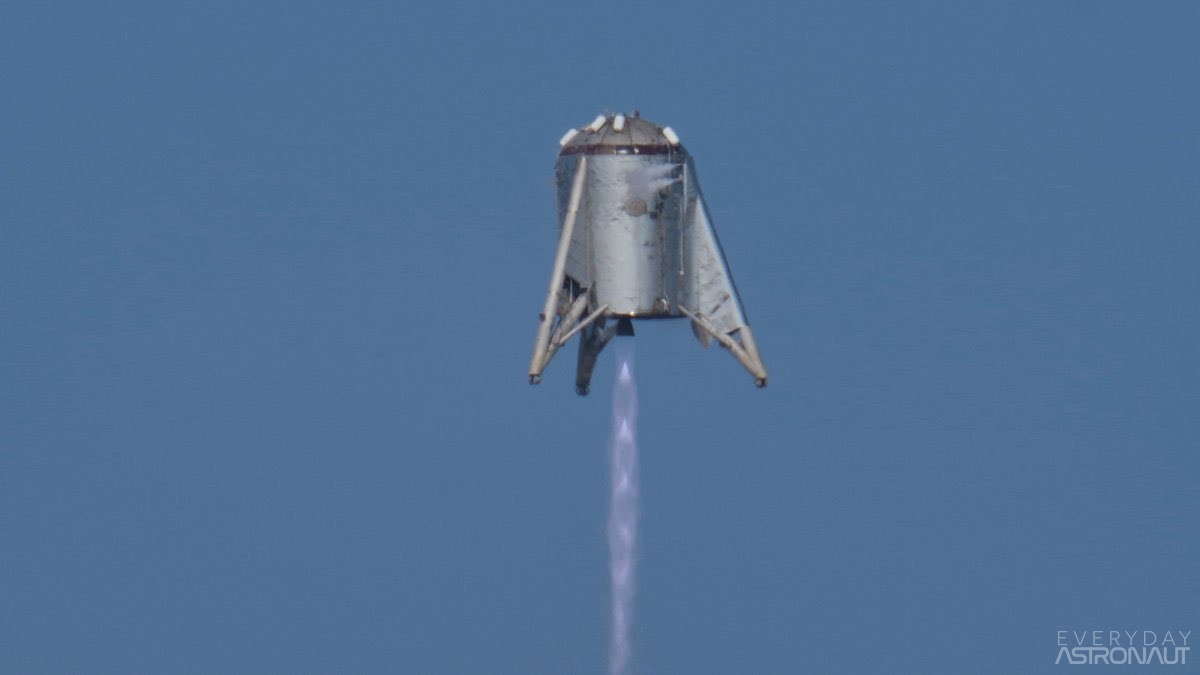
Meanwhile, Boca Chica became operational in 2018 when SpaceX began building its Starhopper test vehicle. They built Starhopper as a test bed for SpaceX’s Raptor engine. Subsequently, it flew twice in the summer of 2019 to an altitude of 20 meters and later 150 meters. Water towers really can fly, after all.
Starship MK-1
When you think “rocket factory,” you think of large buildings with clean rooms and expensive and precise machinery. That’s not how SpaceX is doing this. During most of 2019, they built their first Starship prototype, MK-1, outside in the Texas coastal plains with steel plates and hammers.
Rings
After MK-1, which used multiple steel plates for each ring, they switched to using only a single piece of steel for each ring. As a result, it looks smoother, and it’s also much stronger. Also, it allows them to build the rocket much faster.

Meanwhile, SpaceX bought machinery from the Italian company IMCAR to bend the metal sheets into rings. Incidentally, their machines are often used for water towers and tanks, but never before for rockets. So, with these machines, SpaceX’s Boca Chica facility is shaping up to be a veritable rocket factory. With three massive football-field-sized tents and two tall windbreakers, they’ve shown that their plan to make multiple Starships a week is more than a pipe dream.

If It’s Tight It’s Right, If It’s Long It’s Wrong
It’s true that Elon Musk isn’t much of a sentimentalist. As an example, Starship’s first prototype, MK-1, was intentionally tested to destruction on November 19, 2019. Fortunately, it failed at a higher pressure than the tank would experience during a normal flight. Since then, their building techniques have changed drastically.
Pressure Tank Testing Early 2020
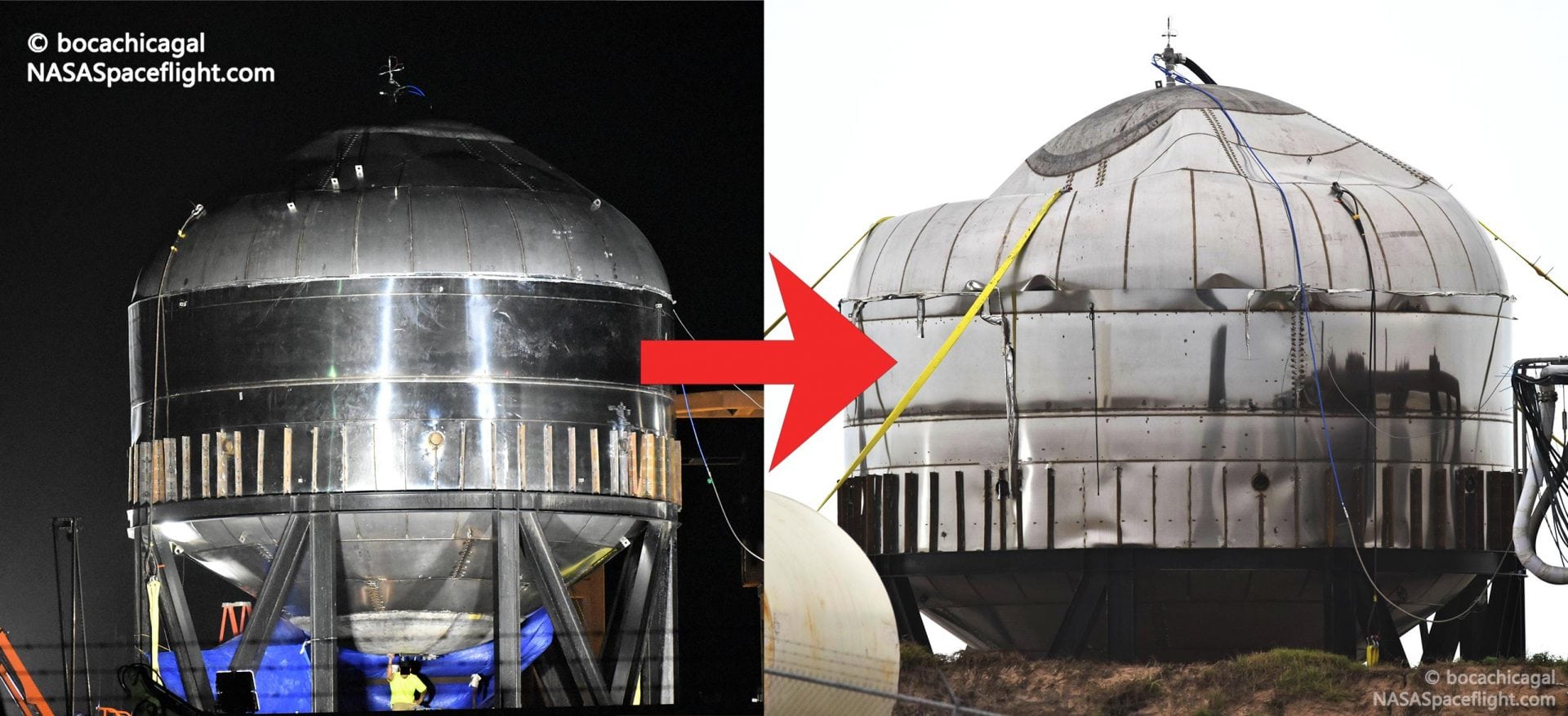
By February, they were confident enough in their new rings and bulkheads to begin construction on their first actual Starship, SN-1. In just over a month, they finished the SN-1 tank section, and they rolled it out to the launch pad. However, SN-1 also suffered an untimely demise. At exactly ten o’clock at night, local time on February 28, 2020, a cloud of super-chilled nitrogen engulfed the rocket. When the fog cleared, the rocket was no longer standing on the pad. Similar to its older cousin, the pressure was too much for it and it imploded.

Starship SN-2 Tank Test

Starship SN-3
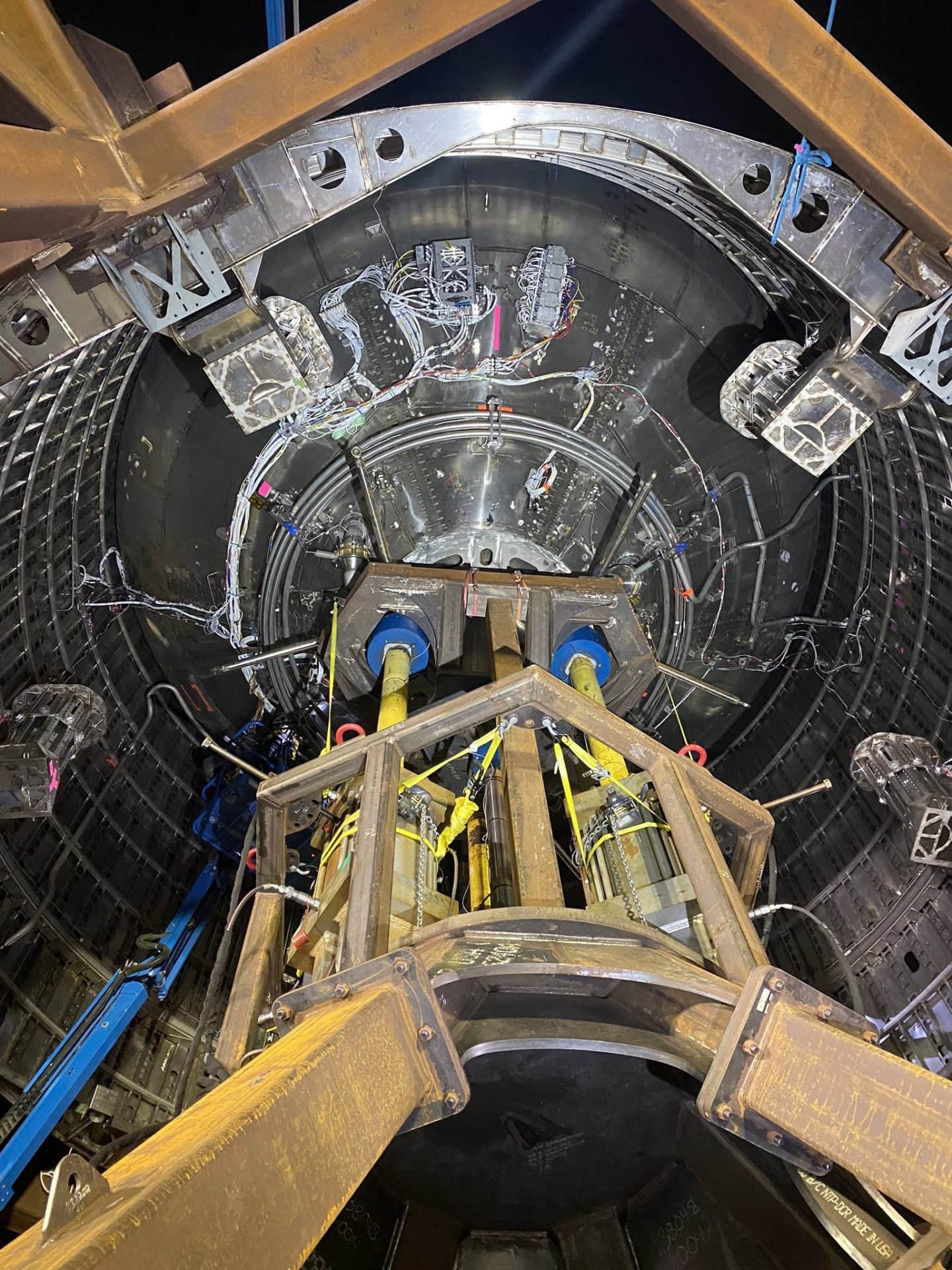
Immediately after SN-2’s success, SpaceX went full-swing into Starship SN-3’s construction. With the knowledge gained from constructing the previous vehicles, they built Starship SN-3 in record time. During the following month, it went from two rings on the ground to a full-blown Starship (sans nosecone and fins). Though this time around, it had legs. In addition, it’s also bigger, about two meters taller, and better than ever before.
Starship SN-3 Tests
In the beginning, Starship SN-3 was to do a cryogenic pressure test before a static fire. Unfortunately, SN-3 crumpled during cryogenic testing and the test was unsuccessful. Fortunately, the failure wasn’t the fault of the vehicle. Improper testing procedures doomed the vehicle. Workers didn’t pressurize the lower tank as much as the upper tank. Therefore, the vehicle collapsed under its own weight.

Starship SN-4
Meanwhile, SN-4 was already being built before SN-3’s implosion. After that, final stacking occurred on April 17, 2020. Then, they rolled it out to the pad on April 23.

Static Fire Test: It Survived!
First, SN-4 underwent an ambient nitrogen leak test on April 25. And then they performed a successful cryogenic test the next day, reaching 4.9 bar. Later, Starship’s first successful wet dress rehearsal, and apparent pre-burner test, happened on May 4. SpaceX engineers carried out a static fire on May 5. A second static fire occurred the next night. This time, fuel was fed through the smaller header tanks rather than the main tanks. Again, it was a success.
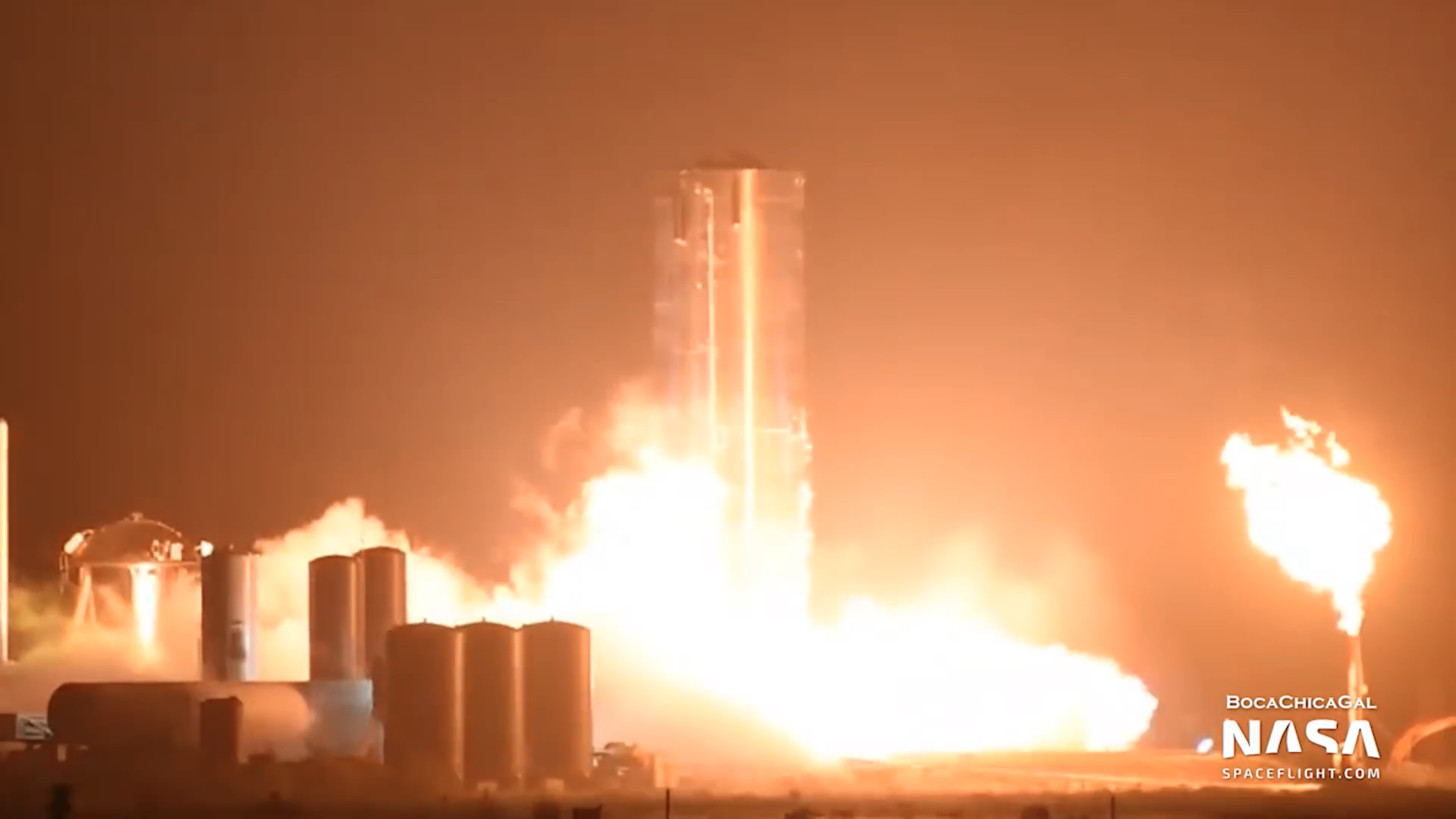
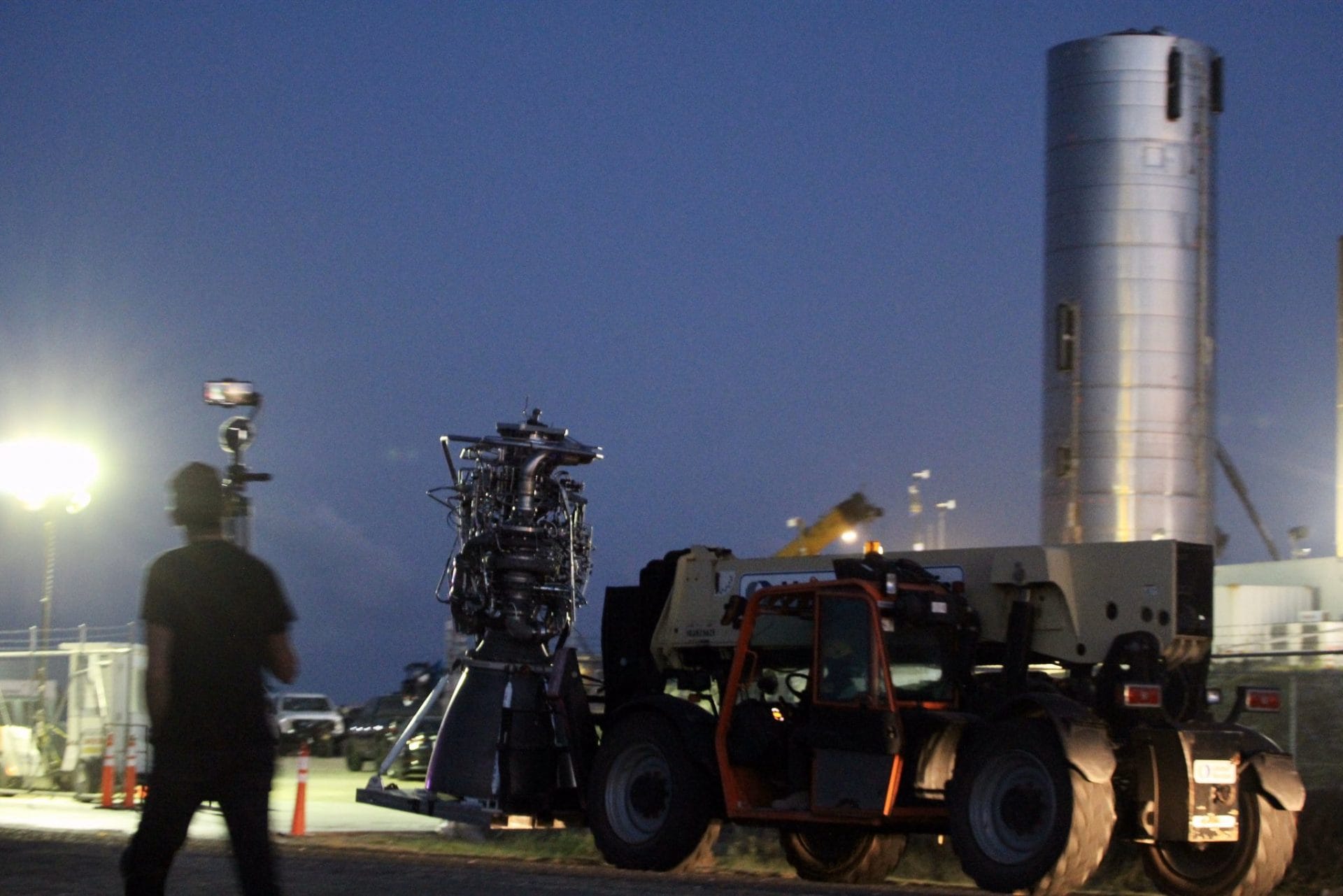
Raptor SN-18, which conducted the first two static fires, was removed on May 6 and transported back to the shipyard. The hydraulic rams used to simulate thrust on the thrust puck were reinstalled. A second cryogenic pressure test took place on May 10, that time to a pressure of 7.5 bar, which is enough for orbital flight. The next day, Raptor SN-20 was transported to the launch pad and installed.
Several days later, a spin prime test occurred followed by a static fire on May 19. That was the longest static fire test so far. However, it caused a fire to break out on the stand, and SN-4 got scorched. The next day, the test stand was still not safed, as apparent damage to ground support equipment left propellants in the Starship’s tanks.

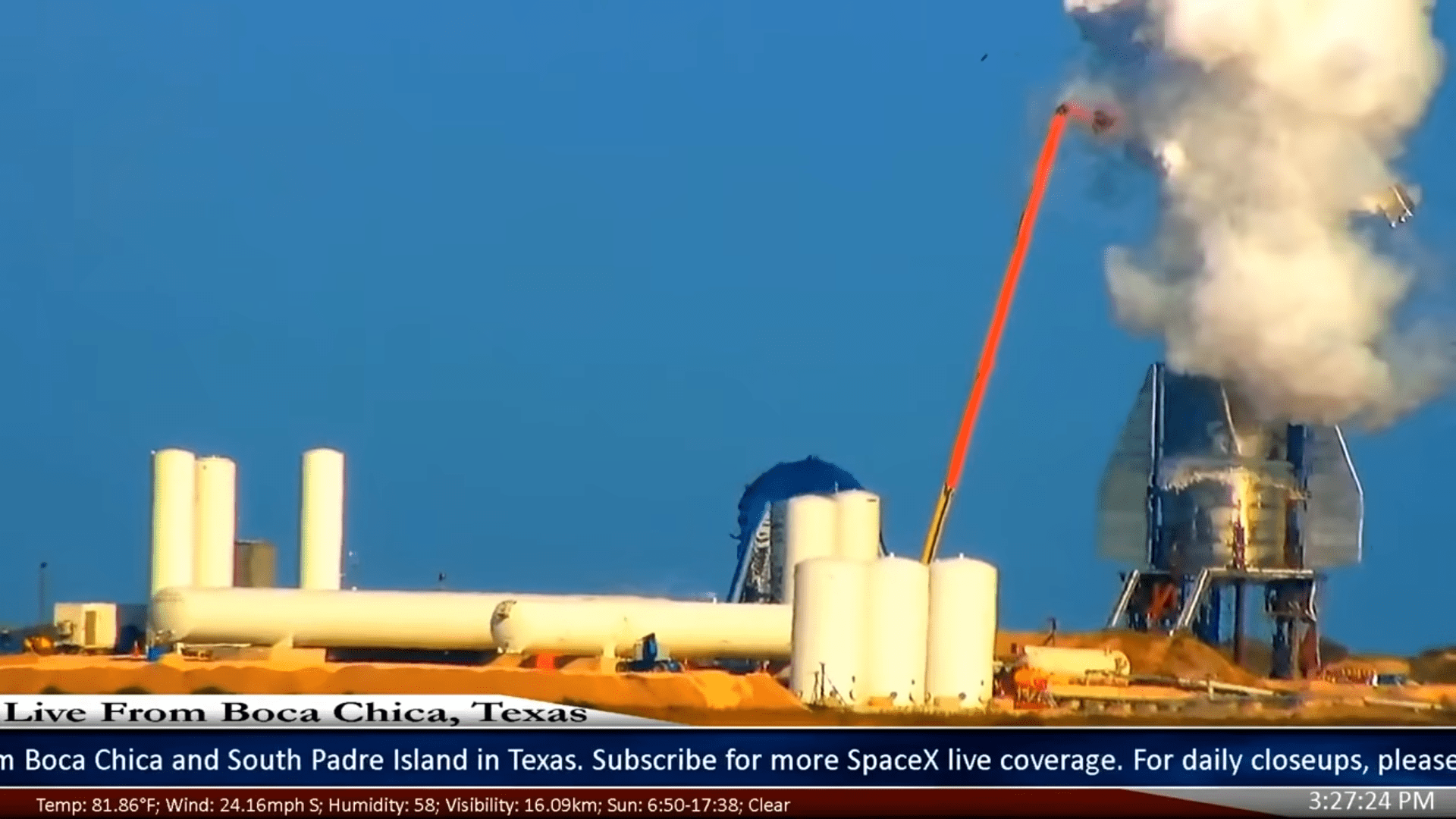
The vehicle was eventually made safe and technicians made their way out to the pad. After a few days of minor repairs, SN-4 fired up for a fourth time. A few days later, SN-4 fired up one final time. Seconds after static fire, a large amount of abnormal venting started coming from the skirt section. Shortly after that, a failure occurred and the vehicle blew up.
Starship SN-4 Static Fire Tests Live
On launch day, we will stream this hop live, starting at T-30 minutes. Why not join us on YouTube to watch and ask questions? Or, you can just join in the conversation live! Do you want to know when a launch is happening? Then we suggest monitoring Prelaunch Previews and downloading the Next Spaceflight mobile app to stay in the know. Finally, the SpaceX Fleet website tracks the ships that don’t go into space.